Aromatherapy and Everyday Wellness
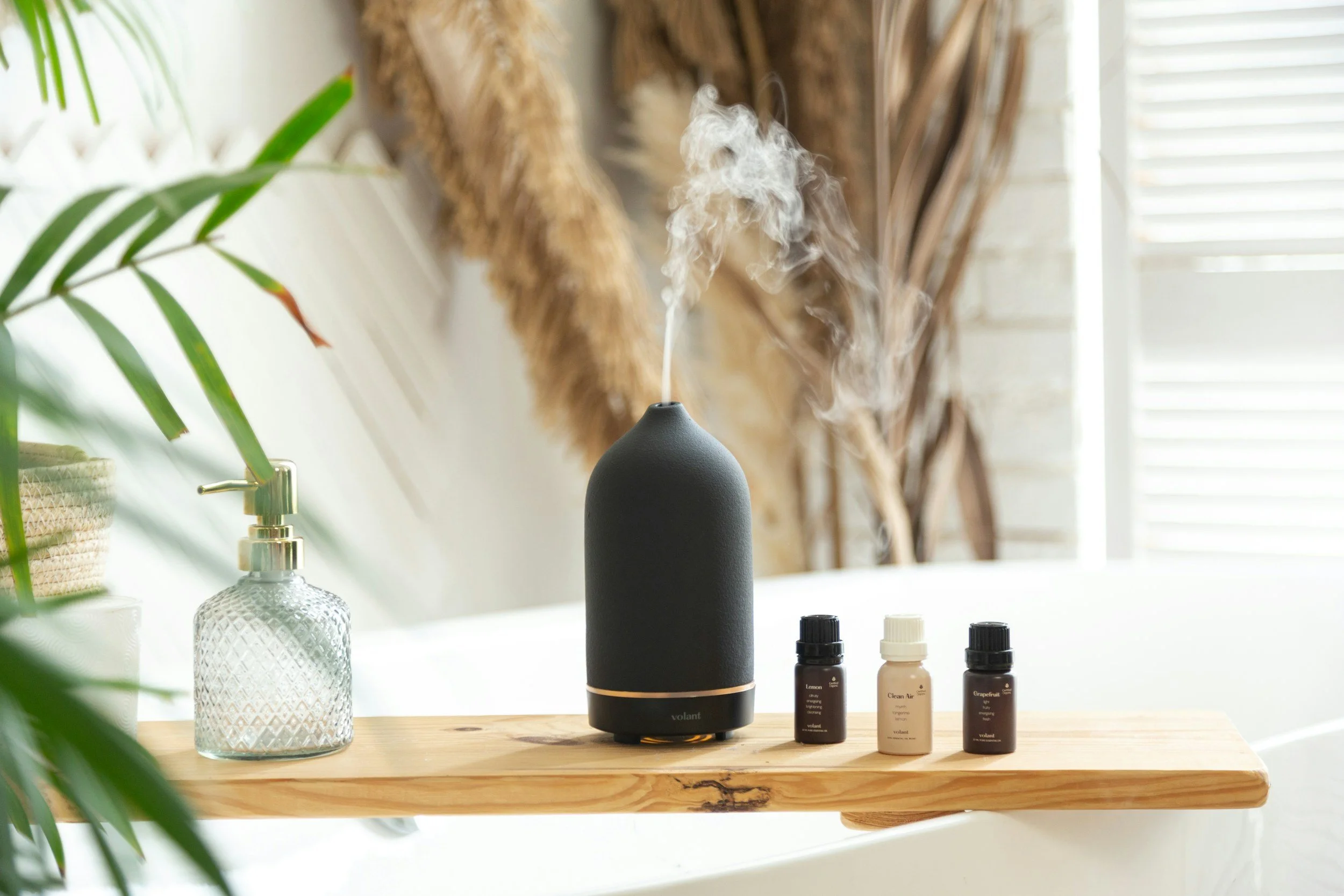
Via Unsplash @volantaroma
There are certain scents that instantly shift how we feel. The smell of lavender can make a room feel calmer. Citrus can feel energizing and bright. Peppermint can help clear your head when you’re feeling a little foggy. It’s interesting how something as simple as scent can change our mood or mindset so quickly. That’s essentially what aromatherapy is about: using natural plant-based scents, usually from essential oils, to support how we feel physically and emotionally.
While it might seem like a small thing, scent has a direct connection to the part of the brain that processes emotions and memory. Because of that, even a subtle scent can have a noticeable impact on how relaxed, focused, or energized we feel.
What Aromatherapy Actually Is
Aromatherapy uses essential oils extracted from plants, flowers, herbs, and citrus peels. These oils contain the natural scent and properties of the plant they come from. People often use aromatherapy through:
Diffusers
Roll-on oils
Bath products
Lotions or body oils
Room sprays
The idea isn’t that these scents “fix” everything. Instead, they help create an environment that supports relaxation, focus, or emotional balance.
Why Scent Has Such a Strong Effect
Our sense of smell is closely connected to the limbic system in the brain, which plays a role in emotion, mood, and memory. That’s why certain smells can instantly remind you of a place, a person, or a feeling. Because of this connection, scent can be a helpful tool for creating small shifts in how we feel throughout the day. For example:
Lavender is often associated with relaxation and sleep
Peppermint can feel refreshing and mentally stimulating
Eucalyptus can feel clearing and grounding
Citrus scents like lemon or orange can feel uplifting
These scents don’t need to be strong to have an effect. Even a subtle fragrance can influence the atmosphere around you.
Incorporating Aromatherapy into Daily Life
One of the things I appreciate about aromatherapy is how simple it can be. You don’t need a complicated routine to benefit from it. Sometimes the smallest moments are enough. For example:
Diffusing lavender in the evening to help create a calmer nighttime routine
Using citrus oils in the morning for an energizing start to the day
Keeping peppermint oil nearby for moments when you need a mental reset
Adding a few drops of essential oil to a warm bath
These small sensory cues can help signal to your body that it’s time to relax, focus, or recharge.
The Connection to Stress and Relaxation
Many people use aromatherapy as part of a stress-management routine. Just like movement, breathing exercises, or journaling, scent can be another way to help the nervous system shift into a calmer state. A calming scent paired with quiet time, stretching, or a short Pilates session can help create a moment of reset in the middle of a busy day. It’s not about doing something elaborate; it’s about creating small signals of calm in your environment.
One of the nice things about aromatherapy is that it’s very personal. Some people love floral scents. Others prefer herbal or citrus fragrances. What feels relaxing or uplifting for one person might feel different for someone else. The best approach is simply to notice what scents you naturally enjoy and how they make you feel.
Aromatherapy isn’t meant to replace other forms of wellness. Instead, it can be a gentle complement to them. Just like movement, rest, and healthy habits support the body, small sensory details in our environment can support how we feel throughout the day. Sometimes something as simple as a familiar scent can create a moment of calm, focus, or comfort when we need it most and those small moments can make a meaningful difference.
-Natalie
