Pilates You Can Do at Your Desk
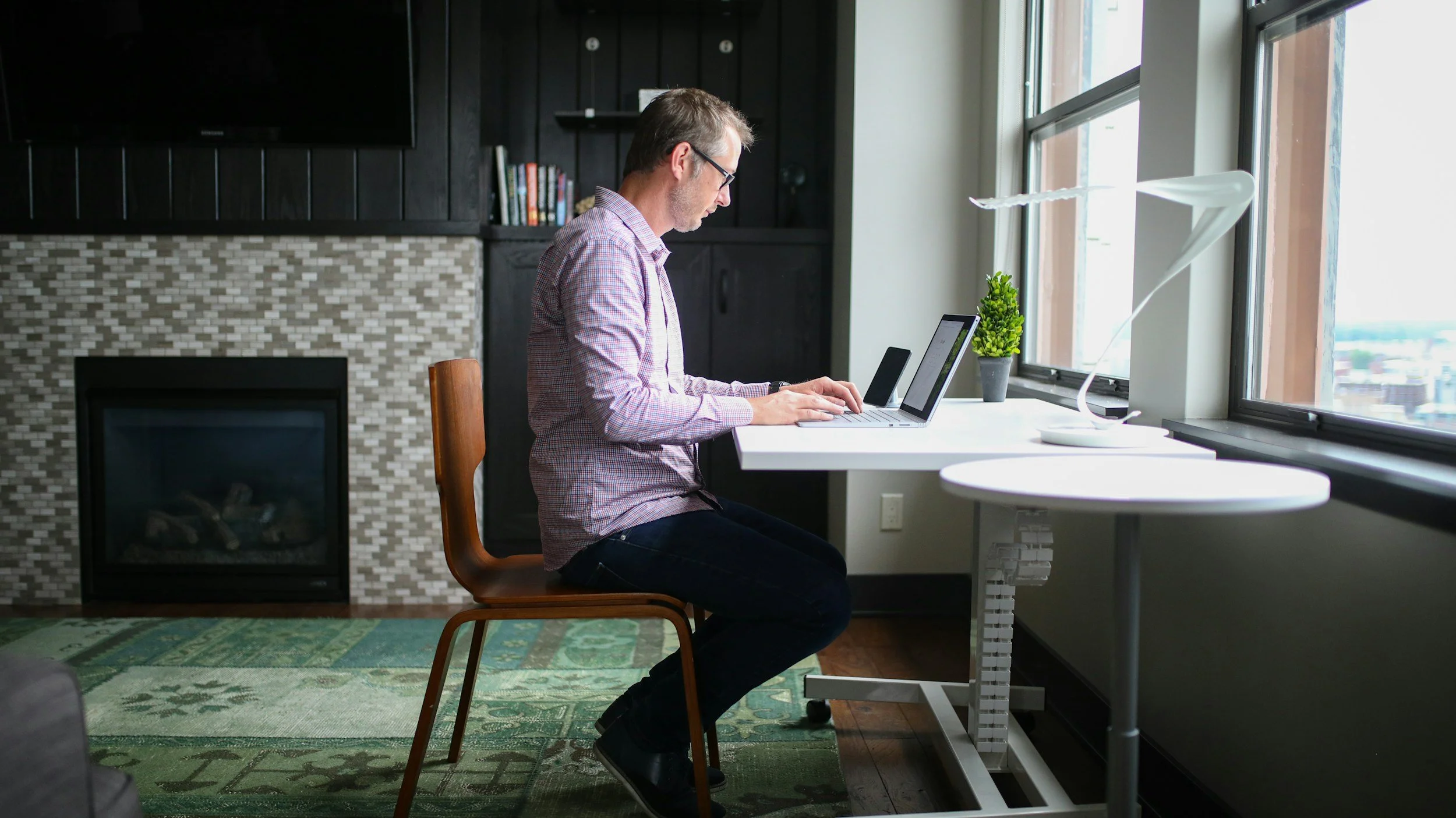
Photo via Unsplash
If you work a desk job, you probably know the feeling: stiff hips, tight shoulders, an achy low back, and that subtle sense that your body just wants to move. The good news? You don’t need a full workout, a mat, or even workout clothes to feel better. One of the things I love most about Pilates is how adaptable it is. You can take the principles and apply them anywhere. Including right at your desk or in your office chair.
This post is for anyone who sits for long stretches and wants simple, effective ways to reconnect with their body during the workday.
Why Desk Jobs Take a Toll on the Body
Sitting for long periods often leads to:
Tight hip flexors
Rounded shoulders and forward head posture
A disengaged core
Shallow breathing
Pilates helps counteract all of this by encouraging upright posture, deep breathing, and gentle activation of the muscles that support your spine. Even a few minutes can make a difference.
How to Approach Desk Pilates
Before jumping in, a few reminders:
Move slowly and with intention
Breathe deeply—Pilates breath matters
Sit toward the front of your chair with your feet flat on the floor
Stop if anything causes pain
This isn’t about breaking a sweat. It’s about giving your body what it’s been missing.
Seated Pilates Moves You Can Do Anywhere
1. Seated Posture Reset
Sit tall with your feet grounded. Inhale to lengthen your spine. Exhale, gently draw your ribs and abdominals in and up. This is the foundation. Come back to this anytime your posture starts to slump.
2. Seated Spine Twist
Sit tall with arms crossed or hands on your thighs. Inhale to grow taller. Exhale and rotate gently to one side, keeping your hips facing forward. Inhale back to center and switch sides. Great for spinal mobility and releasing tension from sitting.
3. Seated Side Bend
Place one hand on the chair and the other overhead. Inhale to lengthen. Exhale and side bend, keeping both sit bones grounded. Return to center and switch sides. This helps open the ribs and encourages fuller breathing.
4. Seated Marches
Sit tall and engage your core. Lift one foot a few inches off the floor, then lower and switch sides. This gently wakes up the abdominals and hip flexors without straining your back.
5. Seated Leg Extensions
Extend one leg out long, keeping your spine upright and your core engaged. Lower and switch sides. This strengthens the legs while reinforcing good posture.
6. Shoulder Rolls and Arm Circles
Inhale as you lift your shoulders up, exhale as you roll them back and down. Add small arm circles to release neck and shoulder tension. Perfect after long periods of typing.
7. Seated Cat–Cow
Place your hands on your thighs. Inhale to arch the spine and lift the chest. Exhale to round the spine, drawing the abdominals in. This brings movement back into the spine and helps reset posture.
How Often Should You Do These?
Ideally, sprinkle these throughout your day. Set a reminder every hour or two to stand up, breathe, or try one or two of these movements. Even three minutes is enough to feel a shift. Consistency matters more than duration.
Desk Pilates isn’t meant to replace your regular movement; it’s meant to support it. These small breaks help reduce stiffness, improve posture, and make it easier to move well when you do have time for a full workout. Think of them as maintenance for your body. Just like in Pilates class, the goal isn’t perfection. It’s awareness. Your body wasn’t designed to sit all day, but with a little intention, you can help it feel a whole lot better.
If you’d like help building more movement into your workday or want guidance on posture and core support, I’m always happy to help!
-Natalie
