The Benefits of Pilates for Postpartum
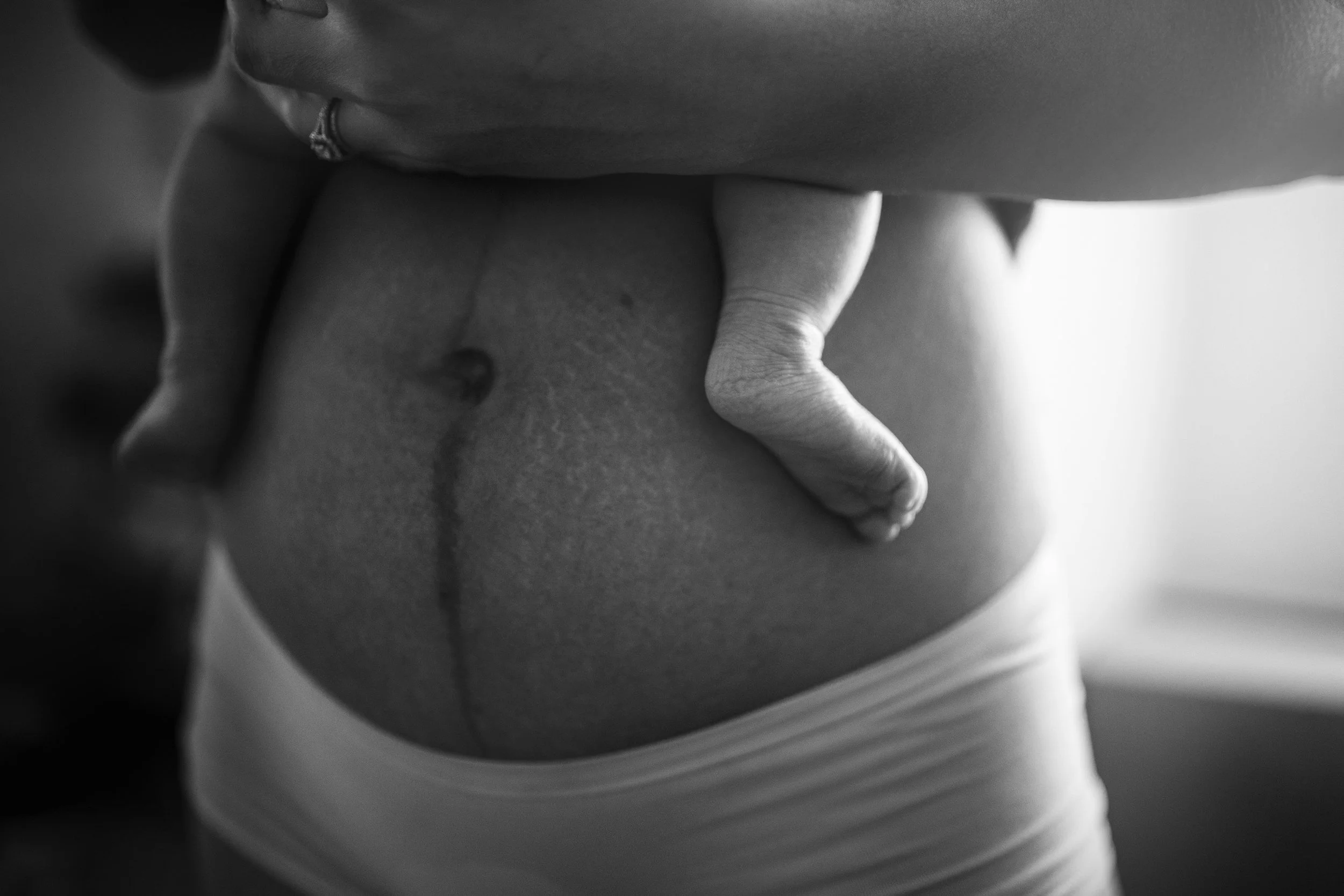
Via Unsplash @minimalmomtog
The postpartum period is unlike any other season of life. Your body has been through something incredible. Your energy feels different. Your priorities have shifted. And yet, there’s often quiet pressure to “bounce back” or return to movement as if nothing changed. I don’t believe that’s helpful or realistic. Postpartum movement should be about support, not speed. And that’s one of the reasons I love Pilates so much during this stage of life.
No matter how your birth experience looked, postpartum is a time of healing. Your core has changed. Your pelvic floor has been under stress, hormones are fluctuating, and sleep is unpredictable. Pilates meets this phase with respect. Instead of rushing into high-impact workouts, Pilates focuses on rebuilding from the inside out; prioritizing breath, alignment, and deep core support.
Reconnecting to Your Core
One of the most common questions I hear postpartum is about core strength. Pilates doesn’t start with crunches or intensity. It starts with awareness. Through breath work and gentle activation of the deep abdominal muscles, Pilates helps you reconnect to your core in a way that feels safe and intentional. This is especially important for supporting daily movements like lifting, carrying, and getting up and down from the floor.
Pelvic Floor Support
Pilates places a strong emphasis on breath and coordination, which naturally supports pelvic floor function. Instead of isolating or overworking these muscles, Pilates encourages balance; learning when to engage and when to release. That balance is key postpartum.
Improving Posture and Reducing Discomfort
Feeding, carrying, and constantly looking down at your baby can take a toll on your posture. Pilates helps strengthen the muscles that support the spine, shoulders, and upper back. Areas that often feel sore or strained postpartum. Over time, this can help reduce common discomforts like neck tension, back pain, and shoulder tightness.
Gentle Strength and Mobility
Postpartum bodies don’t need to be pushed; they need to be supported. Pilates builds strength through controlled, low-impact movement while also encouraging mobility. Exercises can be modified, slowed down, or adjusted depending on energy levels and where you are in recovery. This makes Pilates accessible, whether you’re newly postpartum or further along in your journey.
Mental and Emotional Benefits
Postpartum isn’t just physical, it’s emotional. Pilates offers intentional time to breathe, focus inward, and reconnect with your body. For many people, that time feels grounding and restorative. Movement becomes less about appearance and more about feeling capable, strong, and present.
Progress Looks Different Postpartum
There’s no universal timeline for postpartum recovery. Some days you may feel strong. Other days, rest may be exactly what your body needs. Pilates allows for that flexibility. Progress might look like improved posture, easier movement, better breath awareness, or simply feeling more confident in your body again.
A Gentle Reminder
Postpartum Pilates isn’t about getting your “old body” back. It’s about supporting the body you have now. Approached thoughtfully and with patience, Pilates can be a powerful way to rebuild strength, restore connection, and move forward with confidence. One breath, one movement at a time.
If you’re considering returning to movement postpartum, I always recommend starting slowly and working with an instructor who understands this phase of life. Your body deserves care, patience, and respect.
-Natalie
