The Science of Habit Formation and Why It’s Actually Good for You
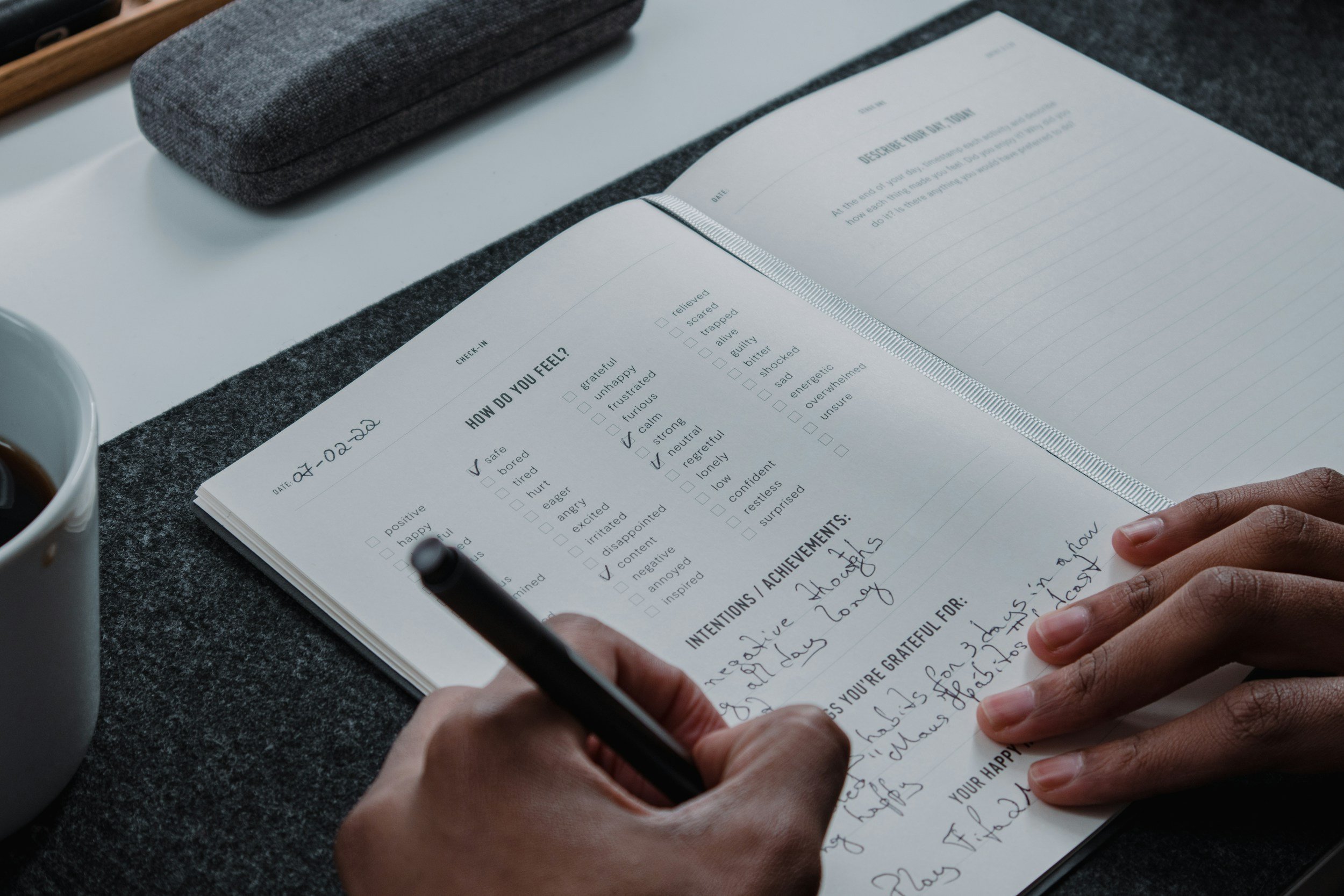
Photo via Unsplash
When people hear the word habit, it can feel a little boring or even rigid. But over the years, through teaching Pilates, raising kids, and trying (and failing) to build routines that actually stick, I’ve come to really appreciate habits; not as rules, but as support systems. Habits aren’t about discipline for discipline’s sake; they’re about making life easier, calmer, and more sustainable.
What a Habit Really Is
From a science standpoint, a habit is a behavior your brain learns to perform with less effort over time. The more often you repeat something in the same context, the more your brain wires that action into an automatic loop. This happens in a part of the brain called the basal ganglia, which helps store routines so your brain doesn’t have to work so hard making decisions all day long. In other words: habits reduce mental load. And that’s a good thing.
Why Our Brains Love Habits
We make thousands of decisions every single day. What to eat. When to move. How to respond. What to prioritize. When everything requires conscious effort, we burn out faster. Habits create predictability, and predictability helps the nervous system feel safe. That’s why routines can feel grounding, especially during stressful seasons of life. It’s also why small, consistent habits tend to work better than big, dramatic changes.
The Habit Loop (In Real Life)
Most habits follow a simple pattern:
Cue: something that triggers the behavior
Action: the habit itself
Reward: the benefit your brain associates with it
For example:
Cue: finishing your workday
Action: rolling out your mat for 10 minutes
Reward: feeling calmer, looser, more grounded
Your brain remembers the reward and becomes more likely to repeat the behavior next time. This is one reason Pilates works so well as a long-term practice. It often leaves you feeling better immediately, not just someday in the future.
Why Habits Are Good for Your Body
From a physical standpoint, habits support:
Consistency, which is where real strength and mobility come from
Injury prevention, because regular movement keeps joints and muscles adaptable
Energy regulation, instead of the boom-and-bust cycle of overdoing it
You don’t need perfect workouts; you need repeatable ones. That’s how the body adapts.
Why Habits Are Good for Your Mind
Mentally, habits can be incredibly stabilizing. They create anchors in your day; small moments you can rely on even when everything else feels chaotic. This is especially true when habits are gentle instead of punishing. Movement, breath work, stretching, walking, and journaling. These don’t just change the body, they tell the nervous system: you’re safe, you’re supported, you’re paying attention.
The Pilates Connection
Pilates is built on habit formation. The breath. The setup. The focus on alignment. The return to fundamentals. Over time, these habits carry over into daily life: better posture, more body awareness, easier movement, quicker recovery. You don’t have to think about them anymore, because they become part of how you move through the world.
One of the biggest mistakes I see is trying to change everything at once. The brain doesn’t like that. It likes small wins. Short sessions. Familiar cues. Five minutes of movement done consistently will always outperform an hour-long plan that never happens.
Healthy habits aren’t about controlling yourself into better behavior. They’re about supporting the version of you who wants to feel stronger, calmer, and more capable. When habits are built with kindness and flexibility, they stick. When they stick, they quietly change your life. Not overnight, not dramatically, but steadily and in a way that actually lasts.
-Natalie
