Why Modifying Exercises Matters (For Every Level)
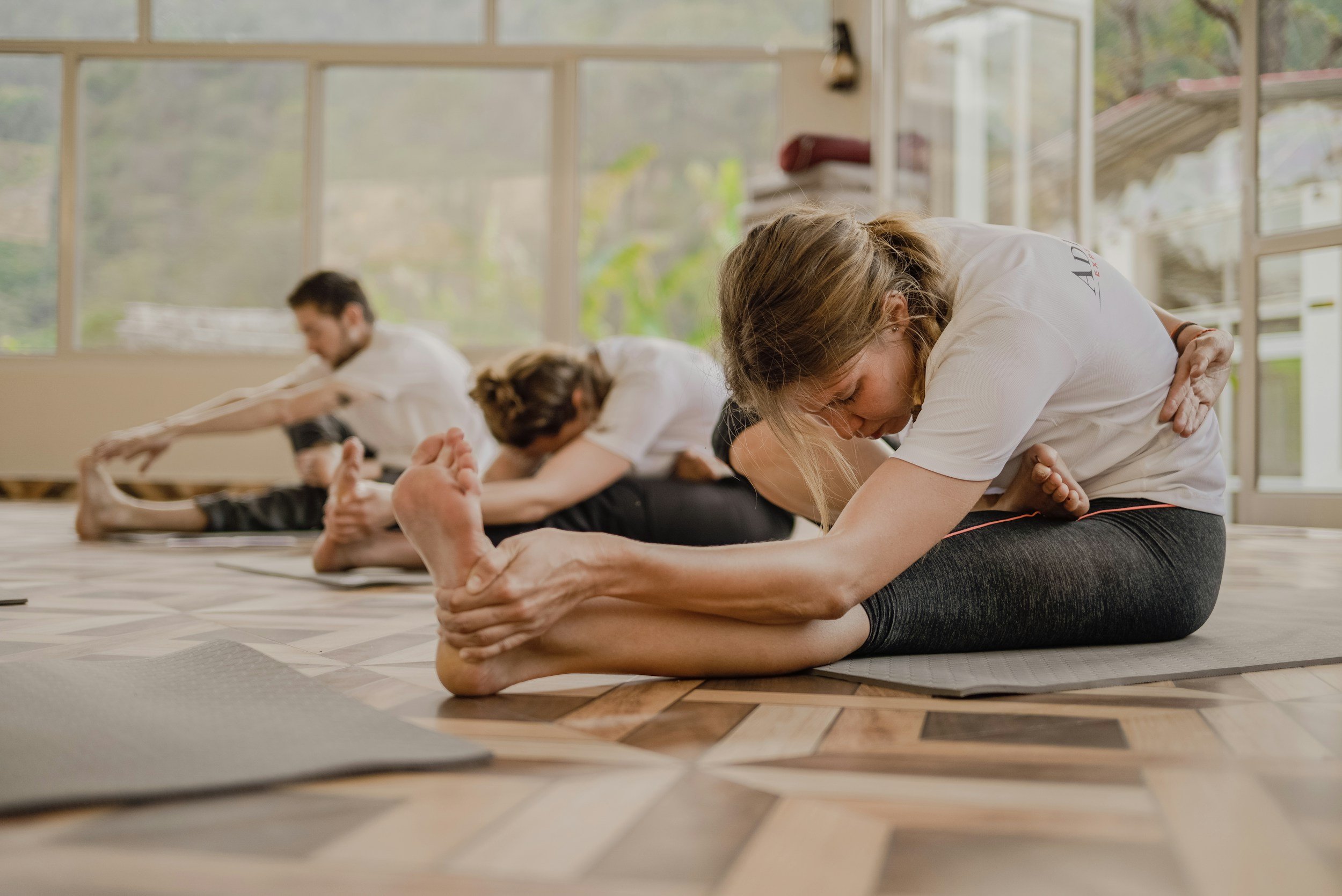
Photo via Unsplash @jaspindersingh
One of the biggest misconceptions about Pilates, or any type of exercise, is that there’s a single “correct” version of every movement. People often assume that the goal is to work your way up to the hardest version and stay there. But in reality, movement doesn’t work like that. Bodies are different. Energy levels change. Injuries happen. Life happens. That’s where modifications come in. And contrary to what many people think, modifying an exercise isn’t a step backward. It’s actually one of the smartest ways to make your workout more effective.
What a Modification Really Is
A modification simply means adjusting an exercise so it works better for your body in that moment. That might mean:
• Reducing the range of motion
• Slowing the movement down
• Adding support (like a prop or different position)
• Choosing a slightly different variation
The purpose isn’t to make the exercise “easier,” the purpose is to make it appropriate. When an exercise fits your body, you can perform it with better control, better alignment, and better awareness.
Why Modifications Matter
Everybody walks into the studio with a different history. Some people are recovering from injuries. Some are returning to movement after a long break. Others are dealing with tightness, imbalance, or simply a stressful week that left their body feeling tired. If everyone were expected to do the exact same version of an exercise, many people would end up compensating or pushing past what their body can safely support. Modifications help prevent that. They allow movement to remain safe, intentional, and effective.
Modifications Aren’t Just for Beginners
This is something I remind my clients of all the time. Modifying isn’t a beginner thing—it’s a smart mover thing. Even very experienced Pilates practitioners modify when needed. Sometimes it’s because they’re working on refining alignment. Other times, it’s because their body needs something slightly different that day. Listening to those signals is a sign of body awareness, not weakness.
One of the things I appreciate most about Pilates is that it meets you where you are. Some days your body feels strong and energized. Other days it feels tight, tired, or distracted. On those days, modifications help you stay connected to your practice rather than skipping it entirely. Movement doesn’t have to be all or nothing.
The Instructor’s Role
As an instructor, one of my goals is to create space for people to move safely and confidently, and that means offering options. You might hear cues like:
• “If this feels like too much, try this version.”
• “You can stay here, or add this if you’re ready.”
Those options aren’t there because something is wrong; they’re there because bodies are wonderfully individual.
Progress Isn’t Always About Making Things Harder
Sometimes progress means adding intensity or complexity. Other times, progress means moving with better control, better breath, or better alignment. A modified exercise done well will always be more beneficial than a more advanced exercise done with tension or compensation.
The goal of Pilates isn’t to prove how strong or flexible you are; the goal is to move in a way that supports your body. Modifications make that possible. They keep movement accessible, sustainable, and respectful of where you are today, and that’s what makes a Pilates practice something you can return to again and again.
-Natalie
