Creating a Healthy Relationship with Food and Movement
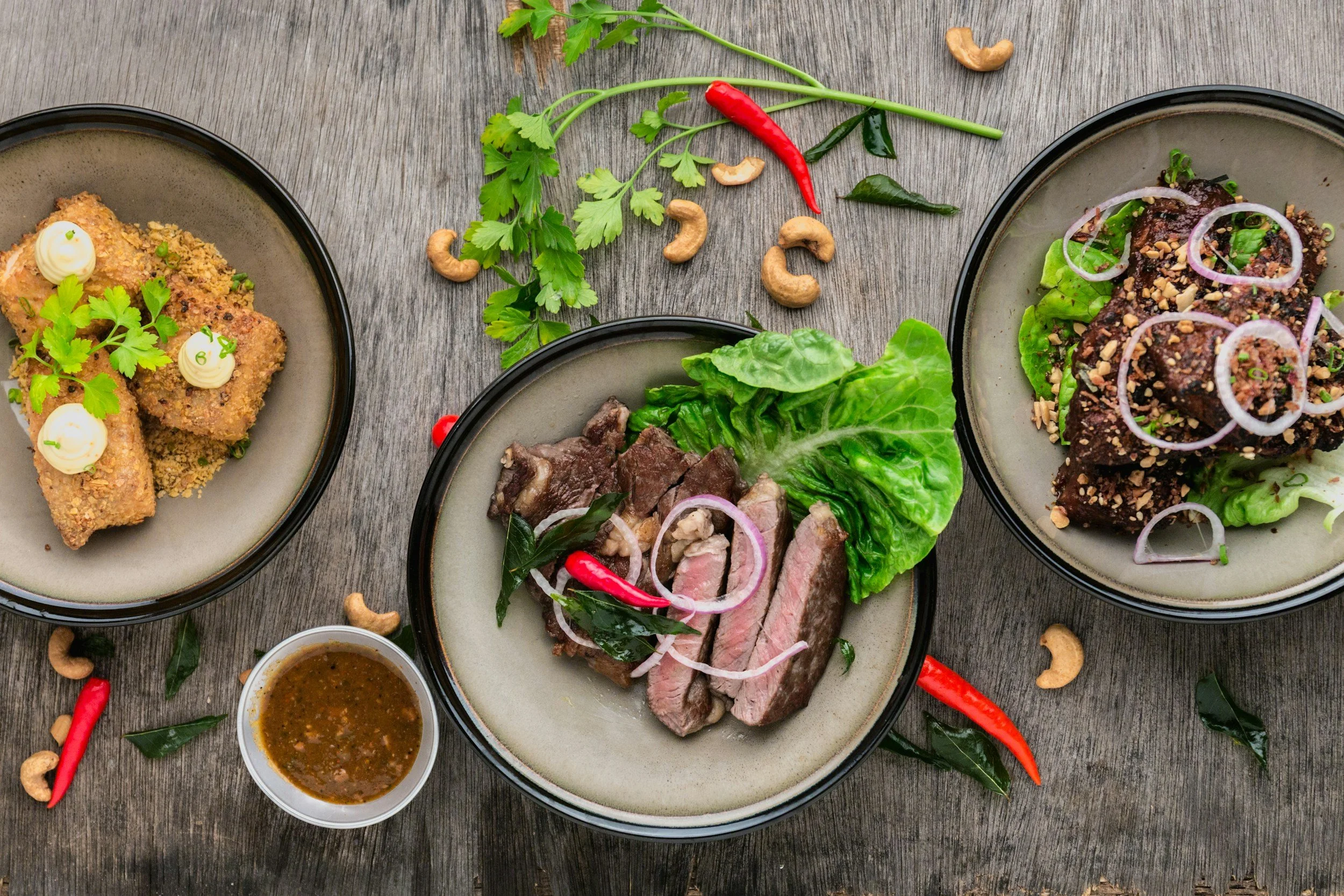
Photo by @lvnatikk Unsplash
For a long time, fitness culture made everything seem pretty simple: eat less, exercise more, and try to make your body smaller. Food was labeled “good” or “bad.” Workouts were something you did to burn off what you ate. Missing a workout made you feel guilty, and eating dessert meant you needed to somehow make up for it later. Thankfully, I think we're starting to move away from some of that thinking.
As I've gotten older, I've come to appreciate a very different approach. Food is fuel, but it's also enjoyment, tradition, celebration, and connection. Exercise is something we get to do to support our bodies, not something we have to do because we ate too much. Neither one needs to come with guilt.
Food Is More Than Fuel
Yes, our bodies need protein, carbohydrates, fats, vitamins, minerals, and all of the other things we learn about when we talk about nutrition, but food is also so much more than nutrients. It's birthday cake with your kids. It's dinner with friends. It's a favorite recipe your family has made for years. It's popcorn at the movies, ice cream on a summer night, or whatever food you've been looking forward to all day.
I don't think a healthy relationship with food requires pretending those things don't matter. Most of the time, we can choose foods that nourish us and help us feel good. And sometimes we can choose something simply because it tastes really good. Both can exist in the same life.
Exercise Isn't Punishment
This one is especially important to me as an instructor. Your workout should never be punishment for what you ate. You don't need to earn dinner by exercising first, and you don't need an extra-hard workout because you had dessert last night.
Movement does so many incredible things for our bodies that have absolutely nothing to do with burning calories. It makes us stronger. It supports our bones. It improves mobility and balance. It can help us manage stress, sleep better, and continue doing the things we love as we age. Those are pretty great reasons to move.
Pay Attention to How Things Make You Feel
One of the biggest things Pilates teaches is body awareness, and I think we can apply that same idea to food. Instead of constantly asking, Is this food good or bad? we can start asking different questions. Does this keep me satisfied? Does it give me energy? How do I feel during my workout when I've eaten enough beforehand? How does my body feel when I'm consistently nourishing it?
That doesn't mean analyzing every bite. It just means becoming curious about your body instead of constantly judging it. The same thing applies to movement. There are workouts that leave you feeling energized and strong, and there are workouts that leave you completely depleted. There are days when your body wants a challenge and days when a walk or gentle Pilates session is exactly what you need. Learning the difference is part of building a healthier relationship with exercise.
Stop Thinking in Terms of “Good” and “Bad”
This can be a hard habit to break because we hear these words everywhere. “I was so good today.” “I was bad this weekend.” “I cheated.”
Usually, we're talking about food, but eating a cookie isn't a moral decision. Neither is eating a salad. One meal doesn't determine your health any more than one workout does. What matters much more is what your habits look like over time. When we stop attaching guilt and morality to individual food choices, there's a lot more room for balance.
Consistency Doesn't Mean Perfection
I talk about this with exercise all the time, but it applies to nutrition too. You don't need a perfect week. You don't need to work out every day. You don't need every meal to look like something from a wellness influencer's Instagram account. Some weeks you'll cook more. Some weeks you'll live on things you can throw together in ten minutes. Some weeks you'll make every Pilates class you planned. Other weeks, life will happen and you'll barely move. The goal isn't to never get off track; it's to create habits you can return to without feeling like you failed.
Move Because You Want Your Body to Work Well
One of my favorite things about Pilates is that the focus can shift away from what your body looks like and toward what your body can do. Maybe you notice you're stronger. Your balance improves. Your back doesn't bother you as much. You can finally do an exercise that felt impossible six months ago. You have enough strength to keep up with your kids or grandkids. Those wins don't always show up on a scale, but they're incredibly meaningful. When movement becomes about supporting the life you want to live, exercise starts to feel very different.
Eat Enough to Support the Things You're Asking Your Body to Do
If you're asking your body to exercise, work, take care of a family, manage stress, and get through a busy day, it needs fuel. Under-fueling isn't a badge of honor. Carbohydrates give us energy. Protein helps support and repair muscle. Fats are important for normal body functions. Fruits, vegetables, grains, dairy or alternatives, and all kinds of other foods contribute something different.
You don't have to obsess over every gram or create the perfect meal. You just need to give your body enough to work with.
Make Room for Enjoyment
This might be one of the most overlooked parts of wellness. You're allowed to enjoy your food. And you're allowed to enjoy your workouts. Not every workout needs to leave you lying on the floor wondering what just happened. Not every meal needs to be chosen because it checks the most nutritional boxes. Sometimes movement is dancing, walking with a friend, playing tennis, or doing Pilates because you love the way you feel afterward.
Sometimes food is nourishing. Sometimes food is fun. Usually, a healthy life has room for both.
Give Yourself the Same Grace You'd Give Someone Else
Most of us would never talk to a friend the way we sometimes talk to ourselves. We wouldn't tell her she ruined everything because she skipped a workout. We wouldn't tell him he needed to feel guilty about eating pizza. Yet somehow we can be incredibly harsh with ourselves over those exact things.
A healthy relationship with food and movement requires a little grace. You are going to miss workouts. You're going to eat past fullness sometimes. You're going to have vacations, holidays, stressful weeks, celebrations, and days when taking care of yourself looks very different than you planned.
A Final Thought
For me, wellness has become much less about controlling my body and much more about taking care of it. I want to eat in a way that gives me energy and still leaves room for foods I love. I want to exercise because I like feeling strong, capable, and connected to my body. And I want those habits to support my life rather than take it over.
Food shouldn't be something we're afraid of, and movement shouldn't be something we use to punish ourselves. Both can be ways of caring for our bodies, and I think that's a much healthier place to start.
-Natalie
