Hormones, Movement, and Pilates: Supporting Women's and Men's Bodies Through Every Stage of Life
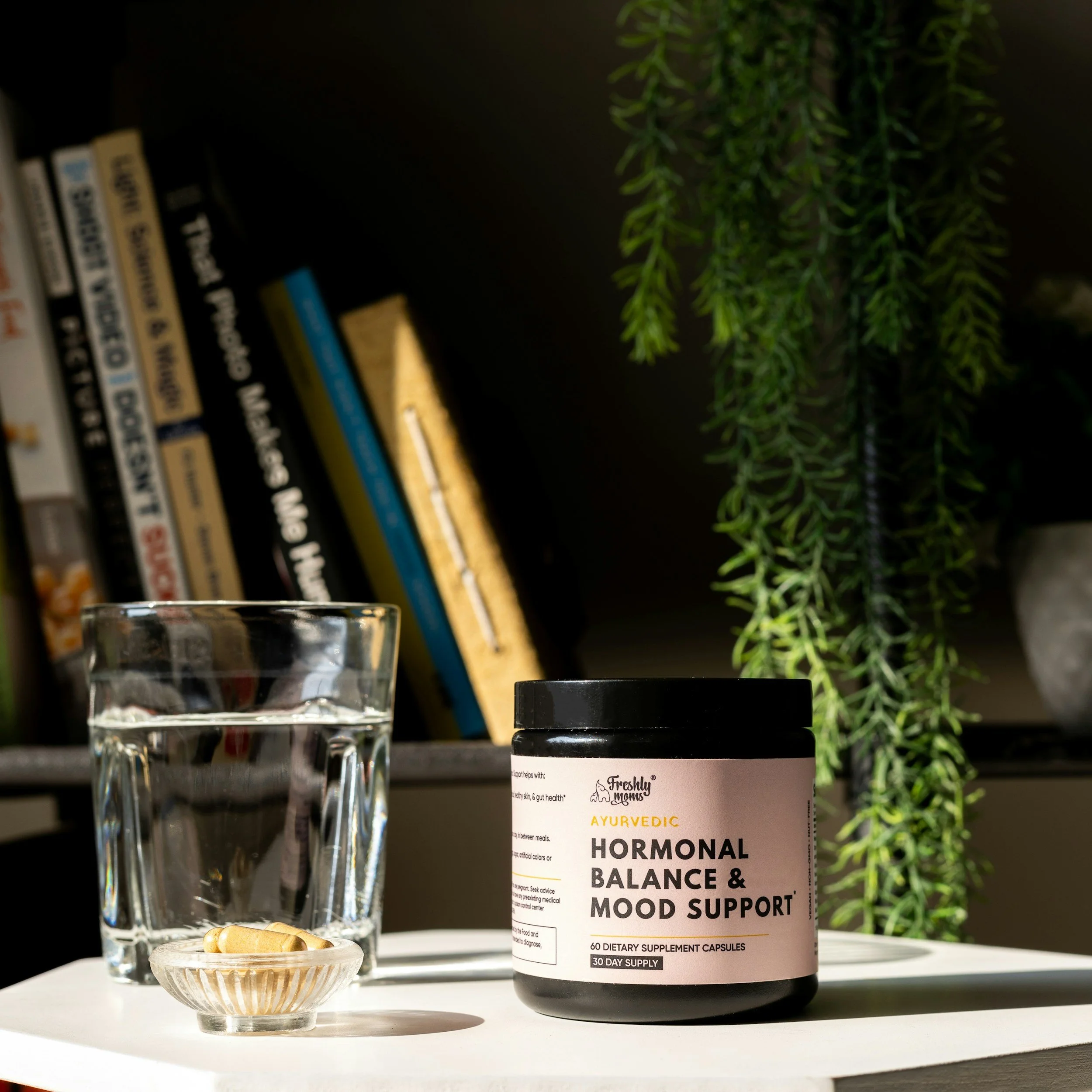
Photo by @theoshwellness Unsplash
Hormones are one of those things we don't always think about until they start making themselves known. Energy changes. Sleep changes. Our bodies respond differently to exercise. Muscle can become harder to build or maintain. Stress seems to hit differently than it used to. And sometimes you find yourself wondering, Why does the workout that used to make me feel amazing suddenly leave me exhausted?
While we often hear about hormones in relation to women, hormones affect men, too. And they continue changing throughout our entire lives. Pilates obviously can't "balance" your hormones or fix a hormonal issue—and I think it's important to be clear about that. But regular movement can support many of the things that are influenced by hormonal changes, including strength, bone health, mobility, stress, sleep, and overall well-being. That's one of the reasons I think Pilates can be such a valuable form of exercise for both women and men, especially as we get older.
Women's Hormones and Movement
Women's hormones naturally fluctuate throughout the menstrual cycle, and then change much more significantly during perimenopause and menopause. Estrogen and progesterone are two of the hormones we hear about most often, and changes in these hormones can affect everything from energy and mood to sleep, body temperature, bone density, and muscle.
For women who still have a menstrual cycle, this can sometimes mean feeling strong and energetic one week and a little more tired or uncomfortable another. And then perimenopause enters the conversation.
Perimenopause can begin years before menopause, and the experience is different for every woman. Some notice changes in sleep, energy, recovery, mood, or body composition. Others experience hot flashes, joint discomfort, or changes in their menstrual cycle. It's a good reminder that our bodies aren't static. The way we exercised at 25 doesn't necessarily have to be the way we exercise at 45, 55, or 65.
Men's Hormones Change Too
We don't talk nearly as much about hormonal changes in men, but they're happening too. Testosterone plays an important role in maintaining muscle mass, bone density, energy, and other aspects of men's health. Testosterone levels generally decline gradually with age, although the experience varies significantly from person to person. That makes maintaining strength and staying physically active increasingly important as men get older.
This is also where Pilates can surprise a lot of men. Someone who has spent years lifting weights may be very strong but discover weaknesses in mobility, core stability, balance, or coordination when they try Pilates for the first time. It's always a fun realization that strength can mean a lot of different things.
Maintaining Muscle Matters for Everyone
Regardless of whether you're male or female, maintaining muscle becomes increasingly important as you age. This is one reason I'm a big believer in combining Pilates with traditional strength training when appropriate. Pilates builds strength through resistance, body weight, springs, and controlled movement. It also trains the smaller stabilizing muscles that sometimes get overlooked in traditional workouts. Add progressive resistance training to that, and you've created a really well-rounded approach to staying strong.
The goal isn't just looking strong. It's being able to carry groceries, get off the floor, travel, play sports, pick up grandchildren, maintain your balance, and continue doing the things you enjoy for as long as possible. That's the kind of strength I'm interested in.
Supporting Bone Health
Hormonal changes can also affect our bones. This is particularly important for women during and after menopause because declining estrogen is associated with increased bone loss. Men can experience age-related bone loss as well. Pilates can be part of a bone-supportive exercise routine by helping improve strength, posture, balance, and coordination. Weight-bearing activity and appropriate resistance training are also important pieces of the bone-health puzzle. And balance deserves more attention than it sometimes gets.
Building strength is important, but so is reducing your risk of falling in the first place. Pilates gives us countless opportunities to work on balance and stability in controlled ways.
Stress, Sleep, and the Nervous System
This might be one of my favorite benefits of Pilates because you can often feel it immediately. You walk into a session with your brain going in twelve different directions, and an hour later you realize you haven't thought about your to-do list for a while. Pilates requires concentration. You have to pay attention to your breath, your alignment, your springs, where your feet are, what your ribs are doing, and whatever other cue your instructor just gave you. There's not a lot of mental space left for everything else.
Regular physical activity can support mood, stress management, and sleep, which can be especially valuable during periods when hormonal changes are already affecting those areas. Sometimes the benefit of a workout isn't that you worked harder. It's that you finally slowed everything else down.
Your Energy Doesn't Have to Be the Same Every Day
This is something I wish more people understood about exercise. Your body doesn't owe you the exact same performance every day. Hormones are one piece of that, but so are sleep, stress, nutrition, illness, work, family responsibilities, and about a hundred other things. Some days you're going to walk into Pilates feeling strong and ready for a challenge. Other days you're going to wonder why the spring setting you've used a million times suddenly feels like someone secretly added fifty pounds to it.
That's okay. Pilates gives us the ability to adjust. We can change the springs. Modify the exercise. Decrease the range. Add support. Focus more on mobility. Or decide that today is a day to move gently instead of pushing harder. That's not giving up. That's body awareness.
Pilates Isn't Hormone Therapy
Pilates has many benefits, but it isn't a treatment for a hormonal disorder, and it isn't a replacement for medical care. If you're experiencing significant or unexplained changes in your menstrual cycle, energy, sleep, sexual health, mood, or other symptoms, those are conversations worth having with a qualified healthcare provider.
What Pilates can do is support the body you're living in while all of those normal life changes are happening. It can help you maintain strength. It can challenge your balance. It can keep you moving. It can encourage mobility. And it can give you an hour to breathe, concentrate on yourself, and reconnect with your body.
A Final Thought
One of the things getting older has taught me is that fitness needs to evolve with us. Our bodies at 20 aren't our bodies at 40, and our bodies at 40 won't be exactly the same at 60. That's true for women and men. I don't see that as a reason to fight our bodies. I see it as a reason to learn more about them.
Pilates gives us an opportunity to do exactly that. Instead of demanding the same thing from your body every day, you learn to pay attention. You notice what feels strong, what needs work, and when something needs to be modified. Hormones may change throughout our lives. Our workouts can change with us, and we can still keep getting stronger.
-Natalie
